The Ship Found Perfectly Upright on the Sea Floor
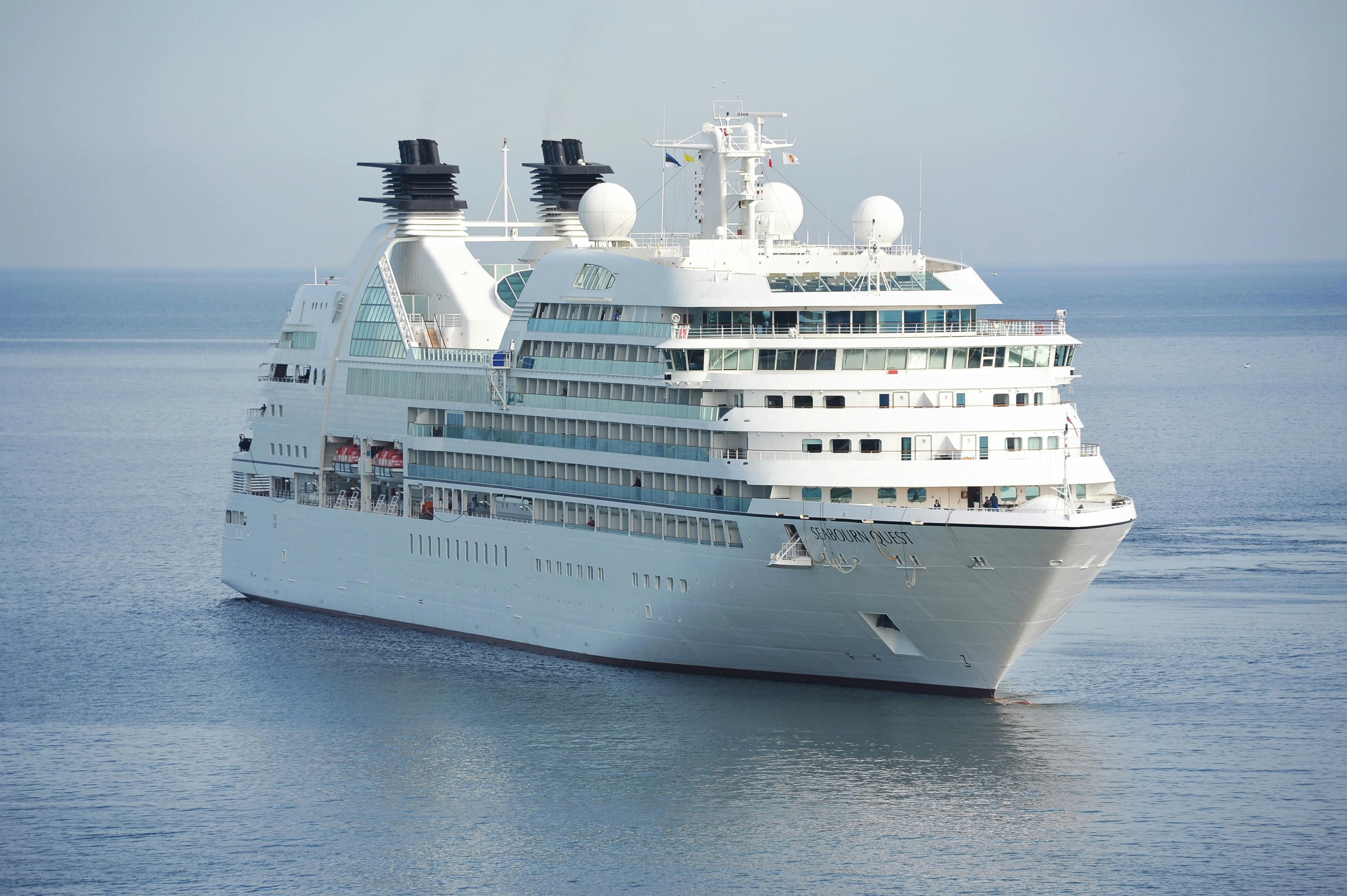
In 2019, deep sea explorers found the wreck of the SS Swanmore sitting completely upright on the bottom of the Atlantic Ocean. It looked as if someone had gently lowered the giant metal ship to the sand with a crane. The ship sank in 1917 during World War I, but it looked ready to sail again.
Most ships twist, break apart, or fall on their sides when they sink. They slam into the mud thousands of feet down and turn into metal scrap. The story of how this 300-foot coal ship went down without falling over is one of the strangest events in sea history.
The Terrible Day in the Atlantic Ocean
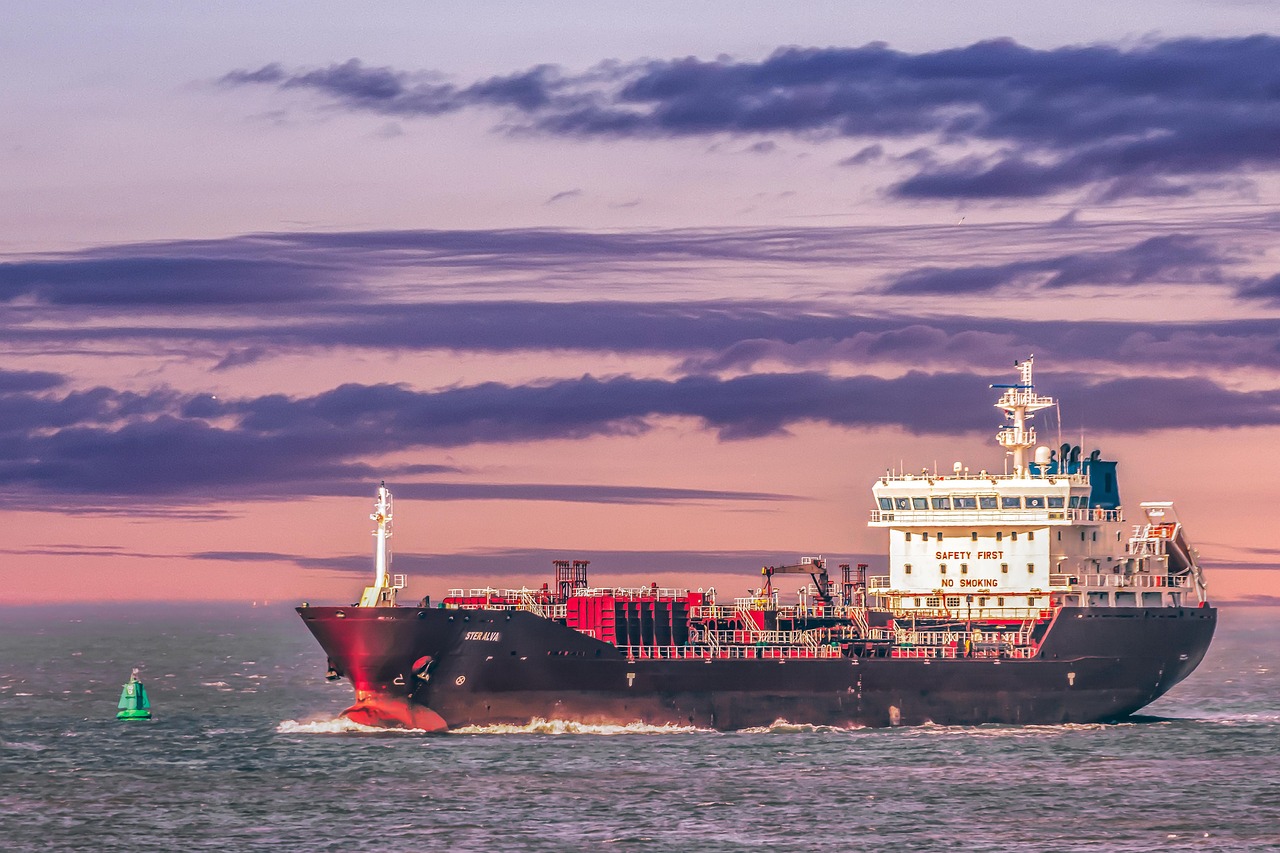
The SS Swanmore was a heavy British cargo ship built to carry coal across cold seas. In May 1917, the ship left the port of Baltimore and headed across the Atlantic Ocean toward England. The waters were full of German U-boats back then. Captain Joseph Thomas kept his men on high alert day and night.
On May 12, about 230 miles off the coast of Ireland, a loud boom shook the hull. A German submarine named U-84 had hit the ship with a single torpedo. Water rushed into the back room of the ship right away. The main engine stopped with a awful grinding sound. Steam poured out into the cold air as crewmen ran across the wooden deck.
Captain Thomas knew his boat was done. He gave the order to drop the lifeboats into the grey waves. All 34 crew members got off into three small boats. They rowed away fast because they thought the heavy ship would plunge down into the deep sea within two minutes. You can read another wild tale about deep survival in The Letter That Arrived Fifty Years Late story from our archives.
Why Did the Ship Sink Without Falling Over?
The ship did not plunge right away. It stayed on top of the water for over an hour. The heavy engine at the back pulled the stern down first. But the front compartments were packed full of dry coal. That dry coal held plenty of trapped air, acting like a giant floating ring.
As the ship sank deeper, water filled the rooms at the exact same speed on both sides. If water enters one side faster, a ship tips over and rolls onto its side. But the Swanmore stayed flat. The water pushed up against the flat bottom of the hull while gravity pulled the heavy steel engines straight down.
The ship sank through two miles of pitch-black water. Think about dropping a flat stone into a deep pool of water. Sometimes it glides straight down without flipping over once. That is what happened here. The ship hit the sandy floor at about 20 miles per hour and stuck right into the mud like a solid brick.
How Deep Sea Explorers Found the Ship
For more than 100 years, no human saw the SS Swanmore. People thought the ship was lost forever in the deep ocean. Then a team of ocean mappers used high-tech sonar to draw pictures of the sea floor. They were searching for lost ships from World War I using sound waves sent from a surface boat.
In the middle of a flat sandy plain, their screens showed a sharp shape. It was not a broken pile of wood or metal. It was the clear outline of a full ship. The team lowered a camera robot on a long cable to take pictures. The lights cut through the dark water and revealed the deck of the ship.
The cameras showed the main steering wheel still in place. The brass bell sat near the front deck. Glass windows in the upper rooms were still unbroken. White sea anemones covered the railings like flowers, but the metal walls had no major bends. It looked like a silent ghost ship waiting for its crew to come back onboard.
What Makes This Wreck So Different From Others?
Most sea wrecks look like war zones. The Titanic broke into two big pieces as it sank and smashed into the ocean floor at high speed. The pieces spread out across miles of mud. Other ships roll onto their sides, which causes their heavy boilers to break free and crush the rooms inside.
The SS Swanmore was different because of its heavy coal cargo and flat bottom design. The weight was spread out evenly from front to back. When the camera robot moved down the sides of the hull, explorers saw the wood decks were still flat. Even the heavy wooden mast stood straight up toward the distant surface.
Marine scientists love finding ships in this shape. It lets them study how steel lasts in deep cold water without human interference. Ships like this form a great topic for a human-interest story about the people who worked on them long ago.
The Crew Who Survived the Attack
What happened to the men who left the ship behind in 1917? Captain Thomas and his crew rowed their small lifeboats for two long days in the cold wind. They had very little food and only small cans of water. Their hands grew raw from rowing against the rough ocean waves.
On the third morning, a British patrol boat spotted the small wooden boats on the horizon. The sailors pulled all 34 men out of the water safely. Not a single man died during the U-boat attack or the long row to safety. That fact makes this mystery even better.
The sailors told their bosses that the ship sank fast into the dark sea. They assumed their ship was lying crushed at the bottom of the world. They lived out the rest of their lives never knowing that their old home was standing upright in the deep dark water, completely whole.
What Can We Learn From Lost Sea Treasures?
Deep ocean wrecks are like time capsules frozen in ice. The water two miles down is near freezing and has very little oxygen. Metal rusts very slowly down there. Wood stays solid for hundreds of years because the wood-eating worms cannot live in such deep cold water.
When we look at photos of the SS Swanmore today, we see small details from 1917. We see old boots on the deck floor. We see copper pots in the galley kitchen. We see the heavy ropes still wrapped around the iron posts on the deck edge. Check out our main page for more true ocean mysteries and unbelievable tales from around the world.
People who study ocean history use these photos to learn about how old ships were built. They do not bring the ships up to the top because ocean air would ruin the old metal fast. The best way to save these pieces of history is to leave them alone in the quiet dark.
A Silent Memorial at the Bottom of the Sea
The ocean holds thousands of lost ships, but very few rest like the SS Swanmore. It stands like a dark monument on a plain of white sand. No sunlight ever reaches the decks. No big waves shake the hull anymore. It is completely quiet two miles below the surface.
Next time you look out at the ocean, think about what lies beneath the surface. Whole towns, old planes, and giant ships are hiding down in the dark. Some of them are smashed to pieces, but a few are standing tall, ready to tell their story to anyone who finds them. What lost place would you want to find if you had a deep sea camera?


Comments
Post a Comment